NIGERIAN ROAD CHALLENGES AND THEIR IMPACT ON SPORTS DEVELOPMENT
David Oku

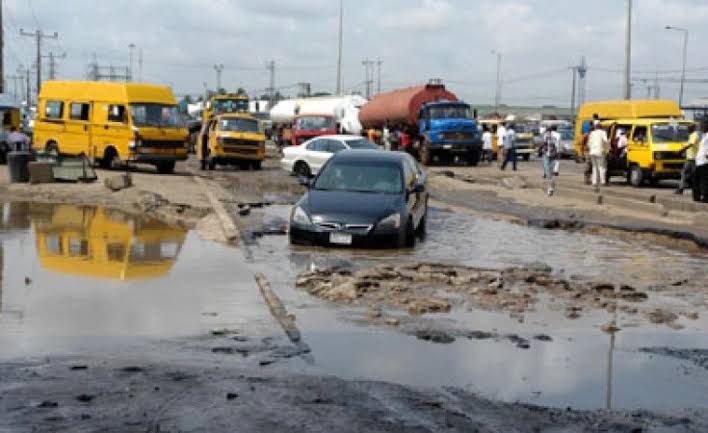
Over Seventy per cent (70%) of Nigeria’s 195,000 km road network is deplorable. Additionally, Thirty per cent (30%) of Federal and Fifty Per cent (50%) of State roads remain unpaved, with a low density averaging 0.5 km/km². The common causes of road deterioration in Nigeria include inadequate funding, poor maintenance, corruption, and climate change. Nigerian roads are among the most dangerous in the world, claiming thousands of lives each year due to inadequate infrastructure, poorly maintained vehicles, and reckless driving. This situation has significantly affected the country’s sports development, particularly in football. The decline has resulted in increased travel times, higher transportation costs, reduced economic productivity, and increased accidents and fatalities, impacting athletes, officials, media personnel, administrators, supporters, and sports enthusiasts.
In 2024 alone, the sports sector has faced three separate incidents of fatal accidents and kidnappings. In August, the Nigerian football community was shaken by the tragic death of Heartland FC head coach Christian Obi, who succumbed to injuries from a crash involving the team bus in Umunna, Okigwe, Imo State. The accident occurred when one of the three vehicles conveying the Heattland FC contingent to a tournament in Abakaliki, Ebonyi State, collided with a parked truck while trying to avoid an oncoming vehicle.
In late October, another unfortunate incident involved the Kano Pillars U-19 football team. While travelling to the New Jos Stadium for their match against Plateau United U-19, the team’s vehicle was involved in an accident. Fortunately, no fatalities were reported, but several team members and the driver sustained varying degrees of injuries.

In another distressing incident, seven crew members from DSTV were kidnapped while travelling from Lagos to Uyo to cover the Africa Cup of Nations qualifying match between Nigeria and Libya. They were attacked along the Isseke-Orlu road in Ihiala Local Government Area of Anambra State by secessionists. Although six of the abductees were rescued, one crew member tragically lost his life.
According to the Federal Road Safety Corps (FRSC), Fifty per cent (50%) of road crashes in Nigeria are due to overspeeding. In a media briefing earlier this year, FRSC Corps Marshal Dauda Ali-Biu told reporters that 5,081 people were killed in road traffic crashes (RTCs) across the country in 2023 as against 6,456 in 2022, representing a 21 per cent decrease.
Notable Road Incidents Involving Sports Teams in Nigeria
1. On February 16, 2021, the bus of Wikki Tourists FC from Bauchi caught fire along the Jos-Bauchi highway while en route Uyo for a match against Dakkada FC. No fatalities occurred, but valuables were lost.
2. On February 20, 2021, the FC Robo Queens, a Nigerian Women’s Football League team, was attacked by gunmen along Ijebu-Ode Road in Ogun State as they travelled to Agbor for a match against Delta Queens.
3. In March 2021, the Akwa United team bus was involved in a head-on collision with a truck in Enugu while heading to Kaduna for a match against Jigawa Golden Stars.
4. In 2016, the Ikorodu United team bus was involved in an accident along AMA Brewery Road in Enugu while going to Makurdi for a league match against Lobi Stars. Seven players and a team official required hospital treatment for minor injuries, while eleven players and six officials escaped unhurt after jumping out of the bus.
5. In December 2018, 18 female players from Mangu Local Government Area in Plateau State lost their lives in a tragic motor accident.
6. In another incident, 15 players from FC Jimeta in Adamawa were killed in a road accident near Akwanga, Central Nigeria, while travelling to Abuja for a professional league match.
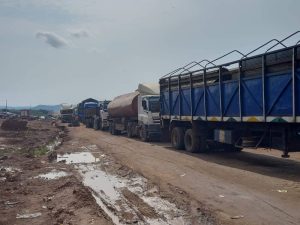
From my experience as a journalist, I find it highly discouraging to travel by road for interstate sporting events in Nigeria. The road conditions tend to be worsening daily. The regions most affected are Southern Nigeria, particularly in the South-South, South-East, South-West, and Middle Belt. Routes like the Odukpani junction and Calabar Itu road leading to Akwa Ibom, Abia, Imo, Ebonyi, and Rivers States are perilous. The Katsina – ala highway connecting Vandekiya, Ushongo, Ugbema, Yandev, and Gboko to Makurdi in Benue State is almost impassable, and the roads from Owerri to Onitsha, Agbor, Benin-Ore, and Lagos are in terrible condition.
The task at hand for the government to restore road conditions in Nigeria is daunting. The National Assembly has periodically called for the presidency to declare an emergency regarding the country’s bad roads. The Federal Ministry of Works, led by Engineer David Umahi, needs increased funding allocations, Twenty per cent (20%) of the national budget, public-private partnerships, and effective road maintenance reforms. Furthermore, governance accountability must improve at State and local government levels. State Governors and local government area Chairmen should adopt international best methods for road construction to increase its durability.
To enhance sports development, ensure the safety of sports personnel, and improve other sectors in Nigeria, I recommend an action plan that will have the Federal, State, and Local Governments create a comprehensive road maintenance strategy. This strategy should include establishing a road fund to ensure sustainable financing, enhancing stakeholder engagement and community participation, promoting transparency and accountability in road projects, and investing in road safety infrastructure. Nigeria can unlock the potential for sports development, economic growth, and social progress by investing in quality roads. The anticipated outcomes include increased investment in sports infrastructure, growth of sports tourism, development of professional sports leagues, and improved performance of Nigerian teams in international competitions.
All rights reserved. No part of this publication may be reproduced, distributed, or transmitted in any form or by any means, including photocopying, recording, or other electronic or mechanical methods, without the prior written permission of the publisher, except in the case of brief quotations embodied in critical reviews and certain other noncommercial uses permitted by copyright law.
The opinions expressed except where they originate from benudechukwu.com, represent the views of such authors. BENUDECHUKWU.COM shall not be held liable for such personal views as canvassed.